ARE U META - CHIC ? OR META _ BLEAK ?
In this story, culture has been likened to a form of vibrationlocation (that’s echolocation, but a human edition). The idea is that before we speak, we vibrate, and that vibration embodies action; without the vibration, words are an empty promise. Have you ever seen that video of a sheet of ice shattering across a frozen lake? That sound is kaleidoscopic, crackling and snapping at just the right tone. It’s that vibration, that frequency of dispersing pieces, rattling the quiet, responding to everything and nothing -
that’s
CULTURE
Yes, when I think about culture, the first thing that comes to mind is our ability to observe and respond. Like that sheet of ice, we break into groups that follow one another, leaving behind a sonic imprint, a capsule of collected media that says, “we were here.” And not in total unison either. We go in every direction; some directions may become more populated than others, but there is, at baseline, movement, and that movement can tell us so much about the human psyche; that neuroplastic wad of clay, wet by time. So where are we right now? What lake are we dispersing over? And what can that tell us about where we’re going next?
Though I’m unaware of time in this space, I can surmise it’s somewhere between the late 90s and early 2000s. My feet are taking on the characteristic of wooden planks in my heels that interlock and peel from the asphalt, and I’m walking on an empty strip of some Times Square, Tokyo, post-apocalyptic, Blade Runner hybrid city where billboards have dyed the surroundings neon. The lights are so big, they emit an orphic sound and a flicker that makes you miss the sun, but the sun hasn’t risen here, ever.
IT*S THE CITY THAT NEVER SLEEPS
[ literally ]

The billboards and posters are all absurd, jumbled, illegible, but perhaps I’ve stared into the artificial lights for too long. It’s difficult to pull away, but in the moments I can, the distant dawn loops around my gaze and draws it down the narrow street to the valley yonder to meet the sun that never reaches the city. I kick my heels to the curb and give good graces to the midnight city, knowing I’ll loop back at some stage, as a woman reborn, as I will be reborn a thousand times.
This oscillation, this transcendence, coupled with an anchorage to the past, creates the kind of tension that facilitates a rupture of stagnation. The collapse needed to expand and tap into creativity, curiosity and discovery. For anyone into tarot cards, this would be The Tower [ a major arcana that evokes discomfort, but can be an invitation to challenge the familiar, break out of comfort zones and put an end to destructive cycles. ] Linda Ceriellotouches on this in Team Futurism’s podcast episode ‘Metamodernism in Art and Pop Culture’. It’s thanks to this conversation with Ceriello and Greg Dember, founders of whatismetamodernism.comthat I use the word “oscillation” to describe our ever-shifting culture, because Linda Ceriello raises a valid point - it’s not accurate to say things like “Post-Modernism is dead”, “Modernism is dead”, “this or that is dead”, for better or worse, these flames still flicker across the globe. Think of how many people there are on this planet with the ability to independently think and feel and tap into their own belief systems. With that much cognitive activity, it’s absurd to think we’d all be able to come to a total, binding agreement about every single thing. We’ll always be collectively responding, but we’ll never be a single mind. Take the Dada movement, for instance. The horror of WWI stood before humanity and asked, “How are you going to move forward?” One of the responses that wedged itself into history was Dadaism. Known as the “anti-art” art movement, Dadaism was a way of radically challenging culture, pushing back against the nonsensical violence and societal norms of the time. It rejected convention, rejected meaning, and inspired movements such as Surrealism and Punk Rock. Even if you’re unfamiliar with Dadaism, you’ve most likely seen ‘Fountain’, one of Marcel Duchamp’s most renowned and controversial works.
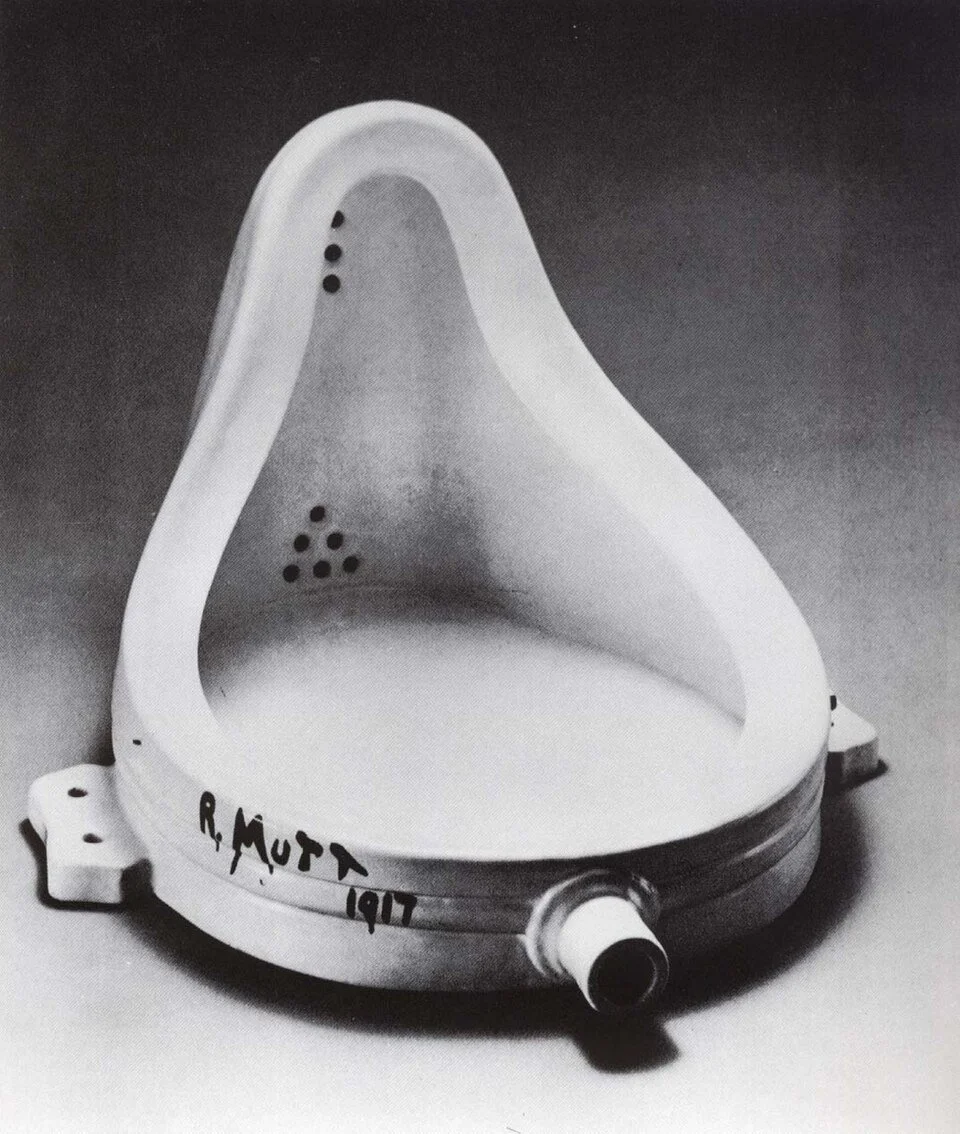
Image of Marcel Duchamp’s ‘Fountain’, 1917, via Wikimedia Commons
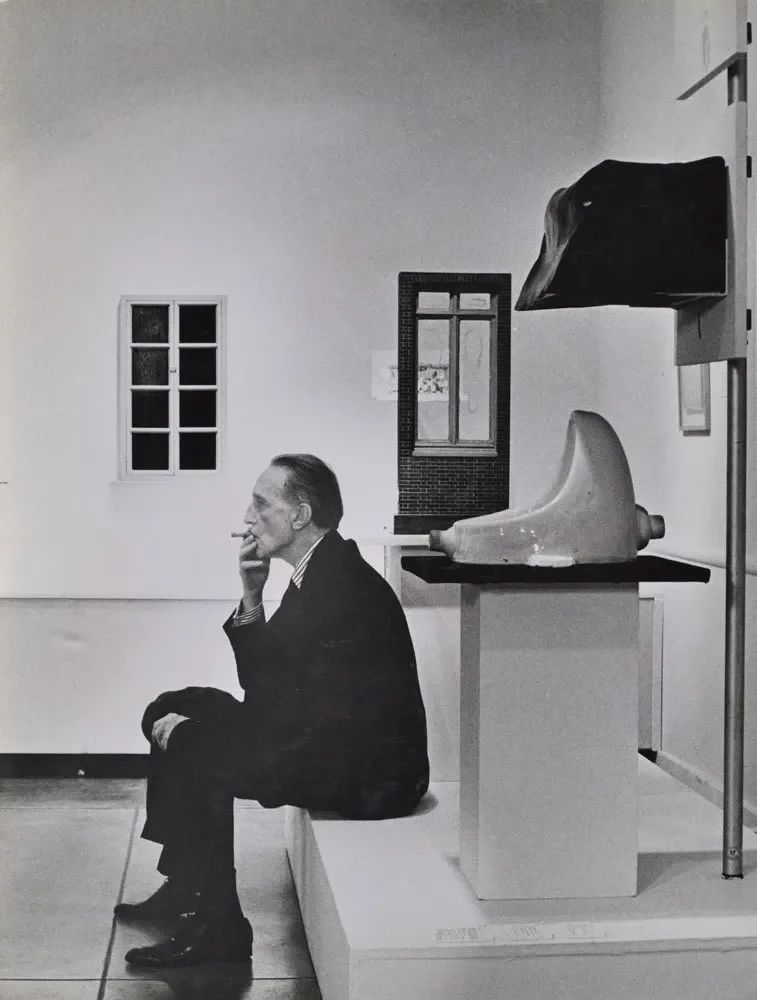
Julan Wasser - Pasadena Art Museum, 1963
It wasn’t long before Dadaism broke out of the art world and expanded into politics, “merging anti-fascist propaganda with leftist organizing”. I mean, this is one of art’s great purposes, right? To shift culture, to challenge societal constructs and to encourage expansive thinking. And here’s where we come back to oscillation. The dedicated Dadaists of the time were adamant that Dadaism would never return. Once it was over, it was over; they would remain the only Dadaists in history. We know, though, that these things always find their way back to the surface, seeping back into subculture, back into the mainstream. We could sit here forever and discuss all the movements that trickled down from Dadaism, but I’m no art historian or philosopher. Let’s be clear, I’m just a woman, influenced by her incessant curiosity. There WILL be gaps.
Anyway, an important note : [ Modernism and Dadaism coexisted; in fact, Dadaism has been described as a subcategory of Modernism. Like all things, there will always be polarity, and Modernism challenged Dadaist ideas by pushing rationality back into the picture. Modernism relies on structure. In Early Modernity, we see links to the French Enlightenment and the Scientific Revolution.
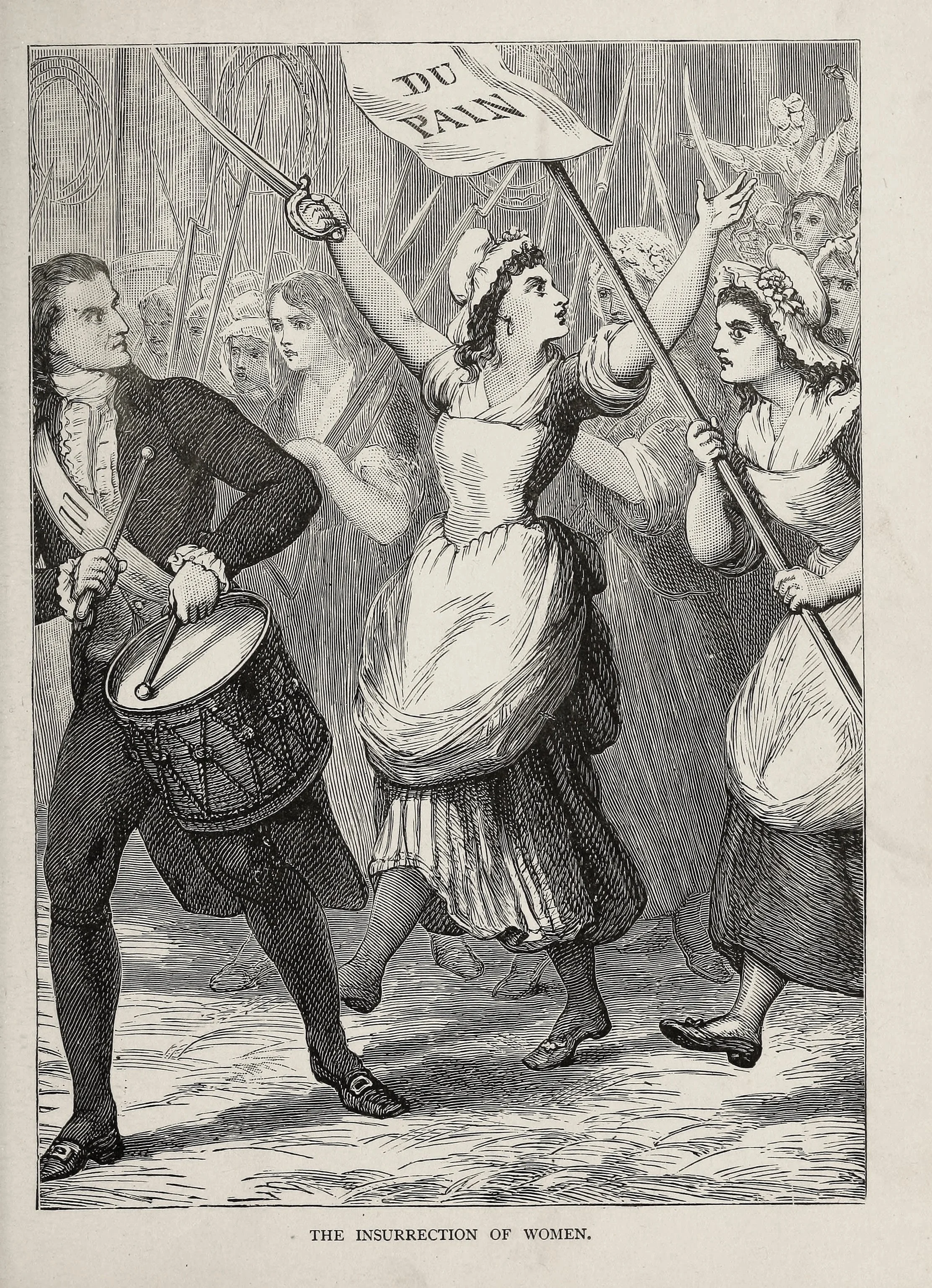
In particular, the French Revolution was a defining moment for women’s rights with the rise of militant feminism. ]
To challenge Modernism came Postmodernism, which some have referred to as “Neo-Dadaism” [ which the die-hard Dadaists would have hated. ] Just as Dadaism was born from the rubble of WWI, Postmodernism rose from the aftermath of WWII, leading to another rejection of universal truth.
“SIMPLIFYING TO THE EXTREME, I DEFINE POSTMODERN AS INCREDULITY TOWARD METANARRATIVES.”
- Jean-François Lyotard
“SIMPLIFYING TO THE EXTREME, I DEFINE POSTMODERN AS INCREDULITY TOWARD METANARRATIVES.” - Jean-François Lyotard
Postmodernism brought whimsy back into architecture with colour, decorative, non-functional elements, as opposed to unadorned, more uniform and rigid modernist designs.
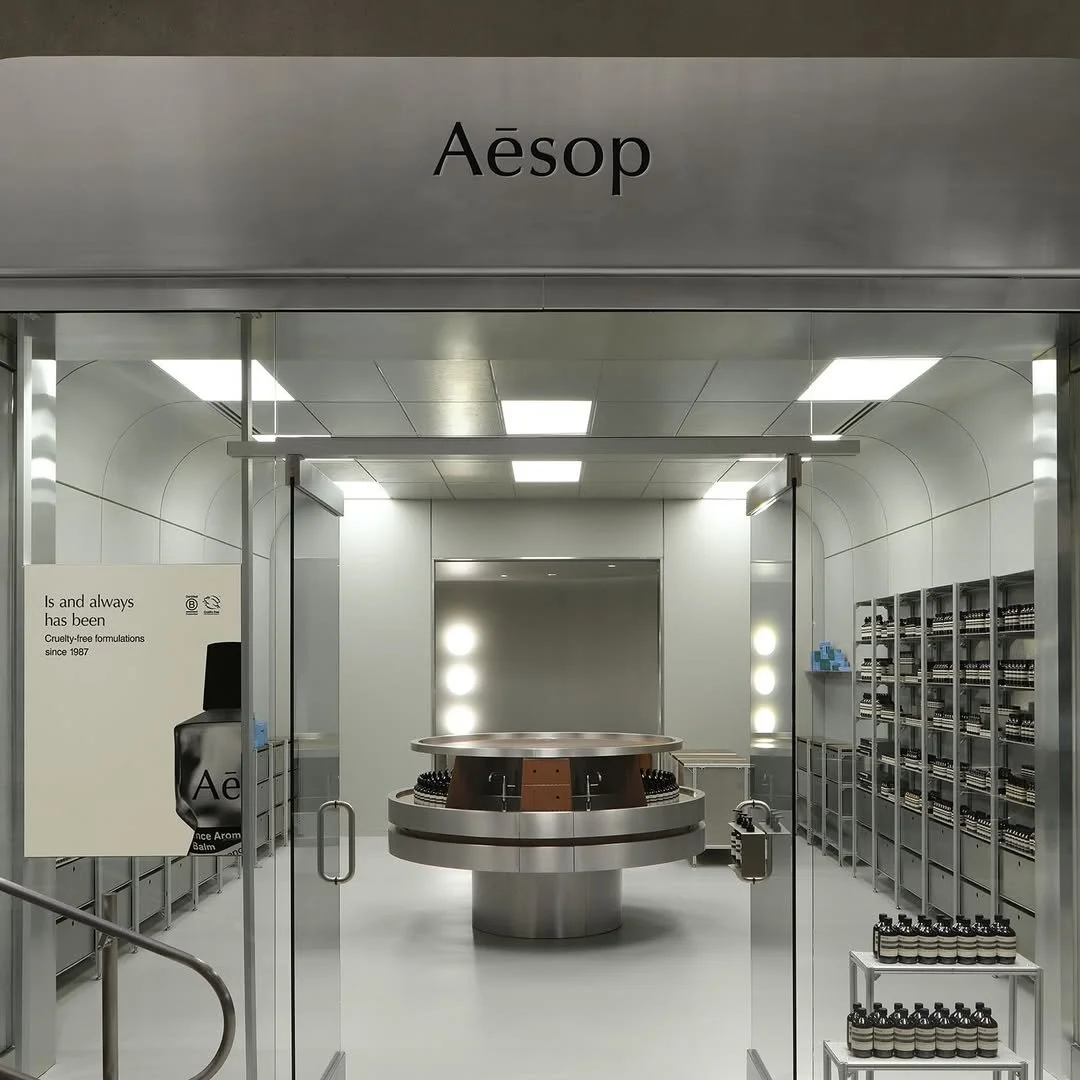
Aesop Bellevue Square
via @formedmag on Instagram
In literature, postmodernism deconstructs traditional narrative structures and uses narrators whom the reader can’t trust.
Postmodernism yanked societal norms from their pedestals and platformed marginalised voices. But like any movement, there are negative sides. Postmodernism tipped the scales back to a more abstract era. Still, many agree that the scales tipped too far in the other direction, causing tremors and widespread confusion. Stephen West has some great episodes going over Postmodernism on his podcast, 'Philosophize This!', and there’s a recurring phrase in these episodes that really stood out to me.
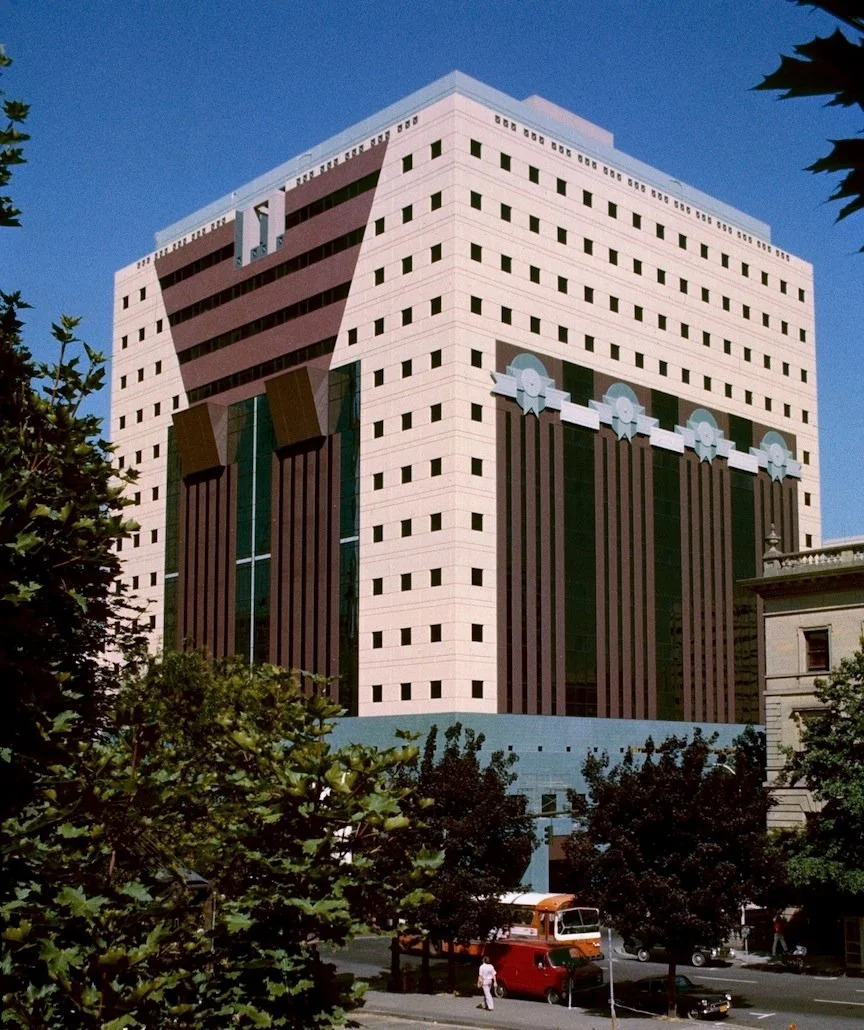
Portland Building - Portland, USA
crafted by Michael Graves, completed 1982
via wikipedia
“ IDEOLOGY W/o IDEOLOGY “ ****
Postmodernism leaned so far from Modernism that it created a society of fence-sitters. With so much choice and so little anchorage, we’re formed into a society where no one knows where to look or what they should focus on or what they should wear or what they consider cool, or what cool even is, or what any of it even means, or what causes they should support and which one should be focused on first, and which one will make them most favourable. It’s an existential spiral that can quickly get out of hand and mess with our sense of authentic identity. So what came to challenge Postmodernism / Neo-Dadaism?
META
MODERN
ISM ,
We’re always learning, shaping our ideals, finding ways to connect and disconnect, deconstruct and rebuild, be reborn over and over and over again, accepting the temporary nature of feeling like “you’ve finally found yourself” through the understanding that we are multi-dimensional. And perhaps that transient way of thinking about humanity encompasses a little bit of each of these. Perhaps, that’s a postmodernist way of thinking - somewhat undecided. I hope that on the other side of all this mess, we can come to a place where no one has to live in fear, no one has to feel alienated or forgotten.
without going into crazy detail and from my current understanding, is a scale balancer. It’s freedom, acceptance of scientific truth, acknowledgement of the absurd nature of existence, and a return to community, reconstruction, and radical optimism. It’s meaning with meaning, ideology with ideology, human connection with actual human connection, and a more grounded sense of right and wrong. To loop back to the beginning of this, whatever this is, it’s the oscillation between all these things, all these ideologies that have shaped our culture over the years. Seth Abramsonput it simply in a HuffPost article published back in 2017, “Metamodernism is variously called a cultural paradigm, a cultural philosophy, a structure of feeling, and a system of logic”.And beyond Metamodernism, something else will arrive to shake things up, encouraging us to question everything we know, and isn’t that just the beauty of being human?
WE*RE NEVER GOING TO HAVE IT FIGURED OUT.
THE DIGITAL LANDSCAPE ** META - CULTURE
We’re not done here yet. Things really got interesting when a divide was forged between the digital and physical worlds [ when computers had their own rooms and phones were corded. ] Even when YouTube came onto the scene, there was still a whimsical, otherworldly aura about the internet. If we’re going to talk about the shifting of culture for better or for worse, we have to hand it to Instagram.
Instagram’s success, I would argue, guided internet users into a grey area between worlds, and, to some degree, Instagram and TikTok’s addictive qualities made the digital world the central focus for an alarming number of their users. Suddenly, our immediate circles, our close communities we’d interact with day to day, were overshadowed by quite literally every other human with access to the internet and a phone. We began not looking for validation within ourselves or our close-knit circles, but seeking it from the rest of the world. This boundless, anything-goes landscape created space for people to use their voices, speak up about important issues, form communities, represent the underrepresented, share creations and discoveries. It became a hub for learning about different experiences, cultures, groups and styles. It took everything, Dadaism, Modernism, Postmodernism, Metamodernism and every sub-categorisation in between and said, “right, now you decide where you want to land.” Things started more conservatively, more modernistic, then dabbled in postmodernism, where bounds were stretched, things got more risqué, and morals were being tested and reinvented. Norms began shifting in appearance, and I’m not entirely sure we’ve fully made it to a Metamodern majority on social media - but I’ll explain more on that later.
THE SCAPE CRACKED OPEN ***
[ say crack again ]
As huge brands now had direct access to their followers and prospects, a new breed of celebrity was created, marketing focus shifted, the term “influencer” was coined, and the pressure cooker was turned on. What it meant to be “accepted”, “cool”, “influential”, all changed. It became a silent race for attention, a silent race to have the newest thing, the most iconic style, be the most original, desirable, etc. Along the way, luxury brands started changing their approach too, because now it wasn’t just celebrities being papped in the latest drop, it was the person with a normal job, an interest in fashion and a like-minded following. All this online momentum initiated a wave pool of trends, coming and going, reported on in real time. With access getting easier, platforms like TikTok and Instagram became grounds for vital political conversations. Injustices were brought to the light, corruption was exposed, and investigative work extended to the average living room. You only have to look at the state of Hollywood right now as a prime example of how the online space demands a baseline level of transparency. This is where the grey area serves a greater purpose. The phygital space demands a level of honesty that’s not limited to what we see online but ripples through to the physical world too.

The current political landscape is absurd; there’s no two ways about it, and there aren’t many words to encompass the senseless nature of what’s going on. There’s a heavy lean towards postmodernist concepts in politics right now, and it seems to be a lean towards all the parts of postmodernism that are unsound. Political leaders and entities of power have used postmodernist concepts as a weapon to bend reality and justify unlawful, immoral, downright inhumane acts. Online, the Neo-Dadaist movement has risen in response to mirror original Dadaism. Think brain-rot memes, absurdist internet humour, the rejection of cohesive profiles, overly-filtered imagery and video. In fact, right now, the parallels between Dadaism and Gen Z humour are a hot topic.
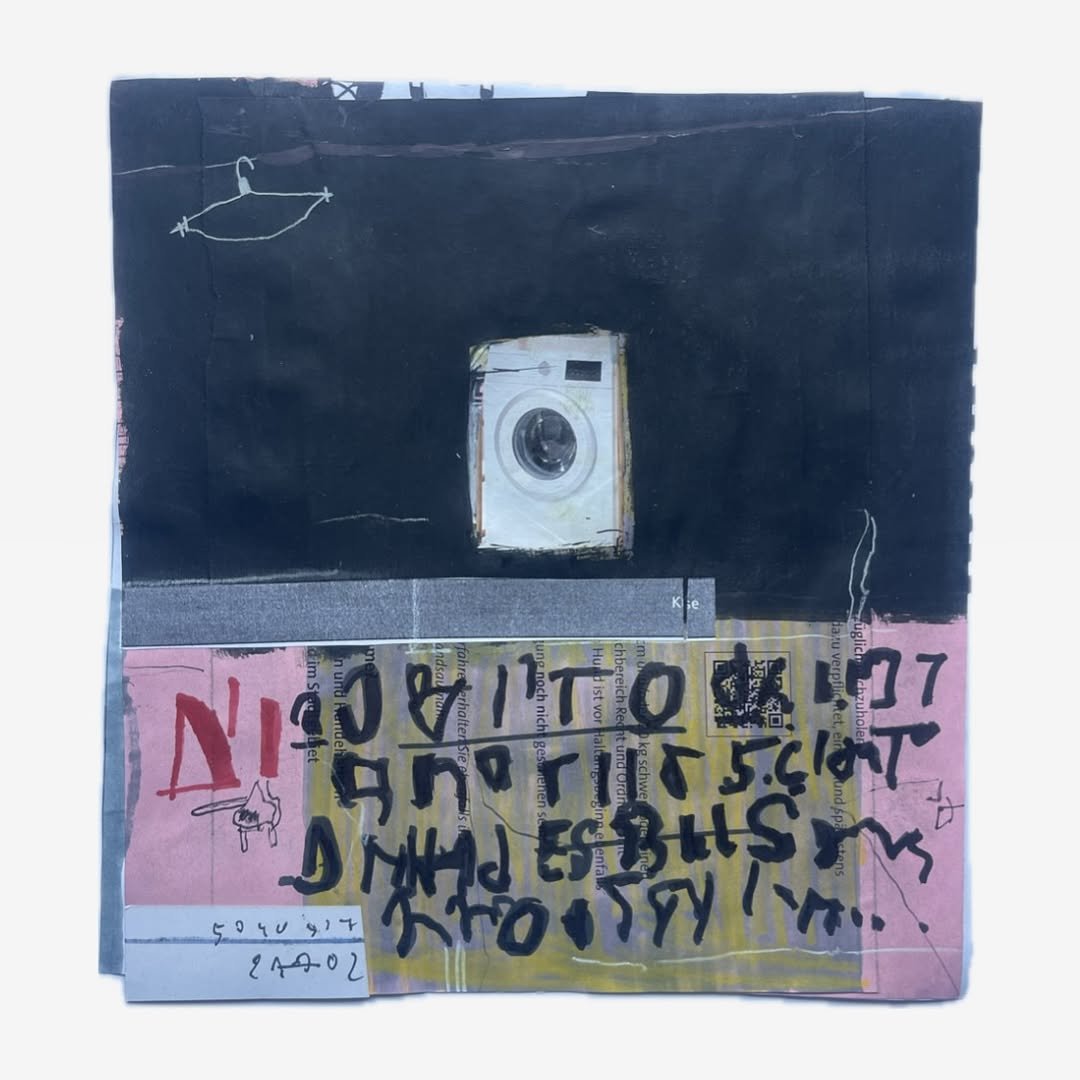
via @metropiol on Instagram
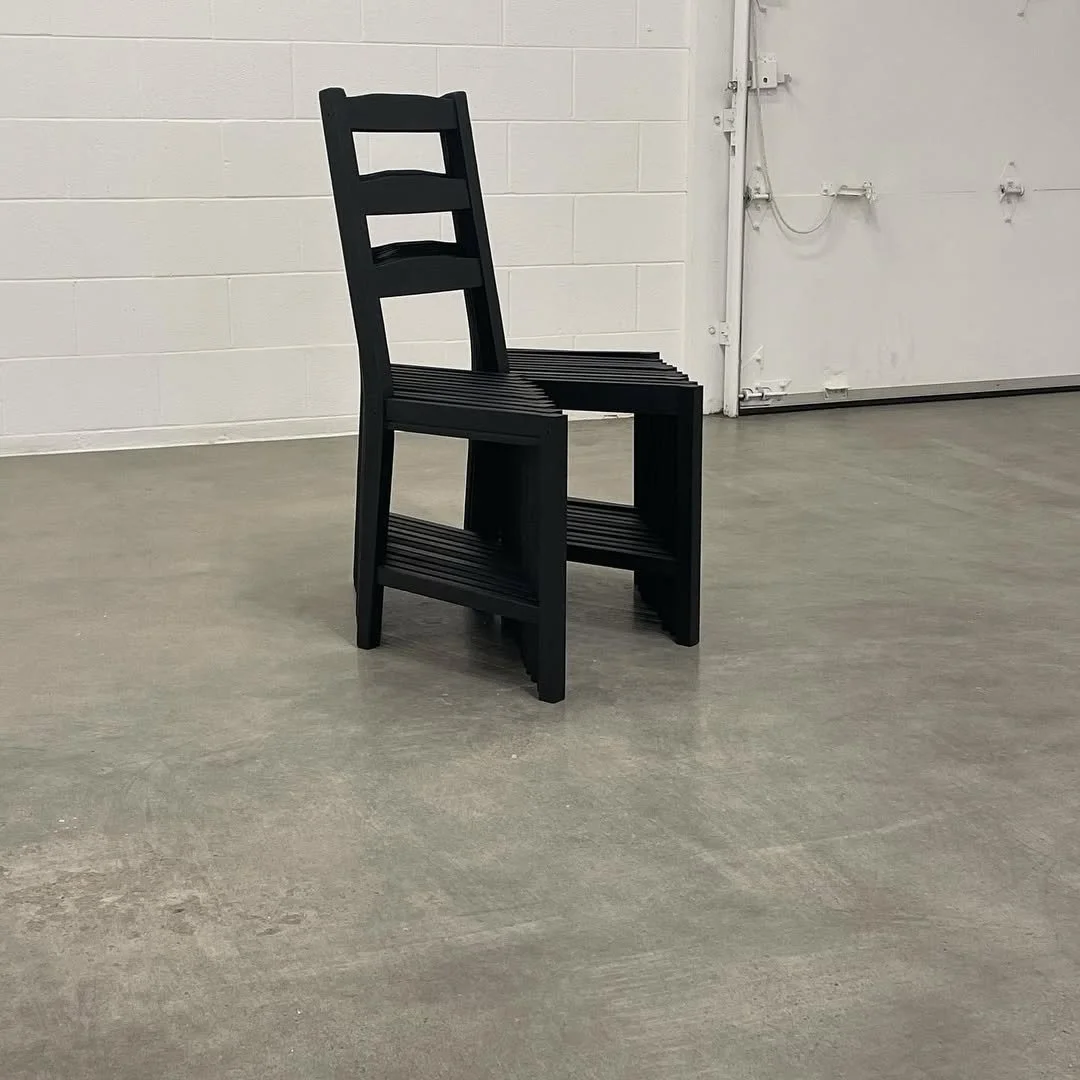
Darija Radakovic, ALL FOR ONE, 2019 - via @herringerkissgallery on Instagram
It’s become a coping mechanism, a rejection of understanding when nothing around us makes any sense anyway. There’s been a return to a space where users can post freely, post found objects, messy bedrooms, junk on the side of the road, and total abstract concepts. It’s a rally against the Postmodernist influence that has had, and still has, the digital and physical world in a headlock. Even luxury fashion houses shifted away from what’s generally considered “wearable” clothing to appeal more to the online space, where it became more influential to shoot bizarre, otherworldly, impractical outfits online with no intention to wear them in public. Under this postmodernist mentality, there was a scrambling for points of societal anchorage; posts became economic indicators. What are you wearing and how much does it cost? How many times have you worn the same thing online? Now you’ve got people fighting to stay afloat in the real world, while fighting to appear financially abundant online. Once you start seeing it, you can’t unsee it. The recession indicators are everywhere. Think of brand campaigns that display an abundance of fresh produce in an economic climate where affording groceries is a luxury. In this rat race, there’s a guaranteed identity crisis waiting at the end.
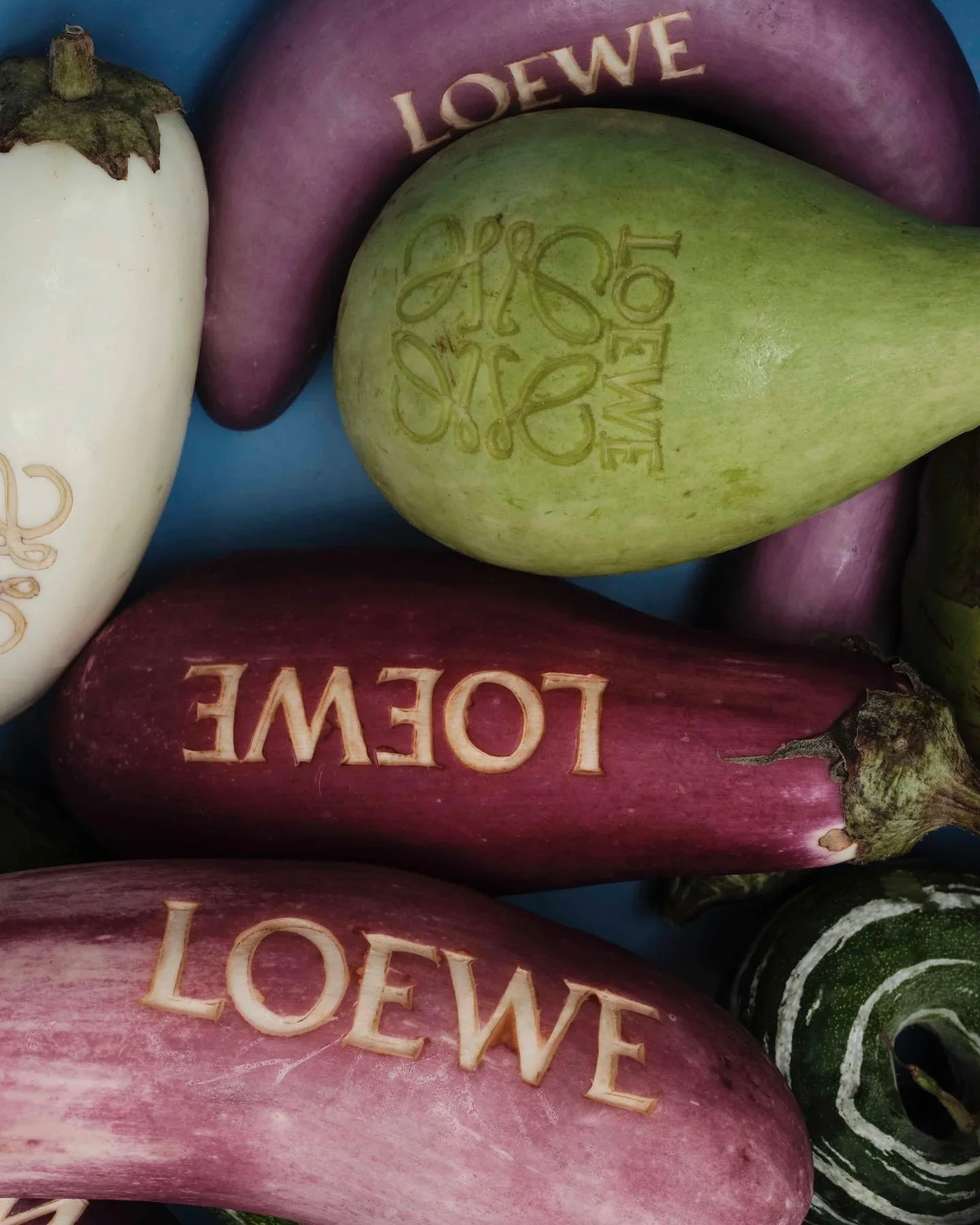
we’re seeing a very postmodernist -
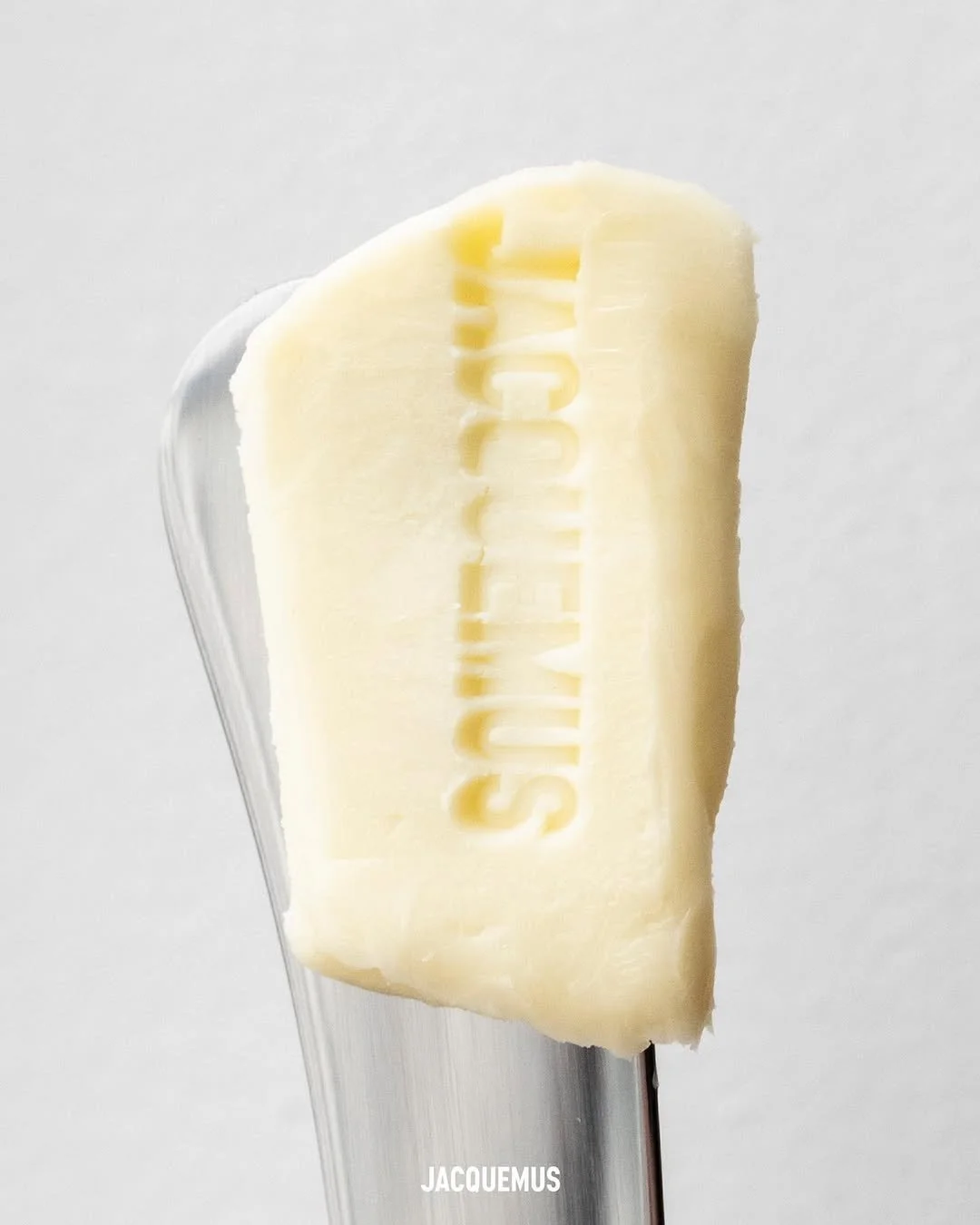
“ STYLE W/o STYLE “
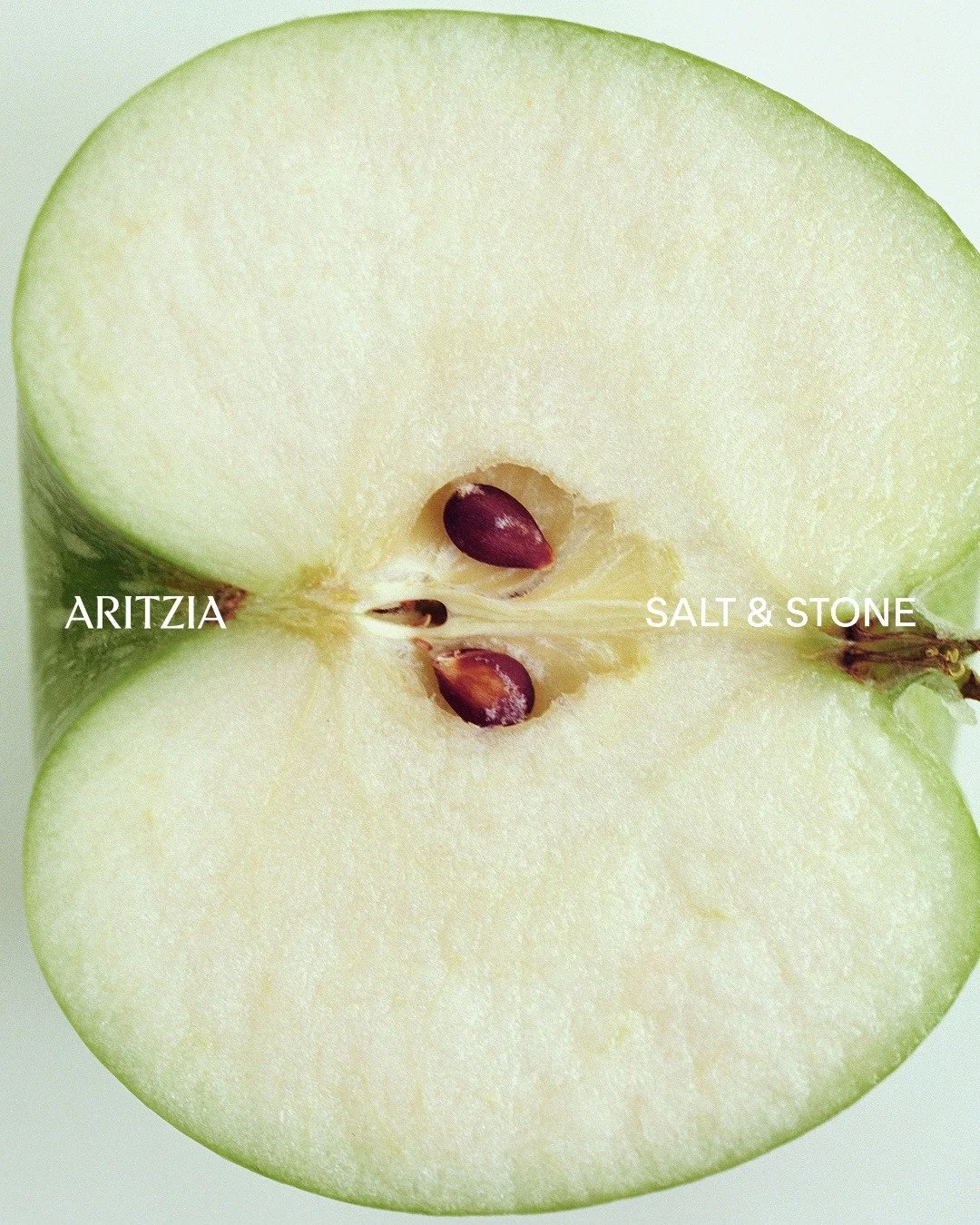
thing happening online,
with many arguing that personal style has officially died. To loop once again to what Linda Ceriello spoke about, I disagree with the idea that personal style is “dead”. I think it’s just harder to identify. It requires picking out all the fluff. From a personal standpoint, the trends I’ve seen come and go seem more fear-motivated than anything. In and out lists aren’t a new concept - they’ve been around in physical media for a long time, but of late there’s been a wave of “how to be chic”, “you have no style if”, “my ins and outs for 2026”, and the list goes on. If you track the popularity levels after a consensus is formed that says, “Tabis are no longer cool”, you’ll see affirmation in the numbers. The funny thing is, a lot of what’s deemed “uncool” is caused by semiotic exhaustion*. It happens all the time with celebrities who are having their moment, working on what seems like every project, seen everywhere, and talked about constantly.
SEMIOTICS *
[ the study of signs and symbols, and how they are used to create meaning ]
ENTER THE MICRO-IDENTITY :
What’s intriguing is that what isn’t a result of semiotic exhaustion seems to be a kind of insincerity indicator. As we shift towards a more Metamodern online landscape, there’s emphasis on identifying “authentic” personal style, and a great way to develop this level of grounded identity is through absurdity - hence the significance of the Neo-Dadaist movement. Pace is also a contributor to this lack of identity, with fast fashion pumping out new styles in micro-seasons [ micro-seasons, I’d argue, would be on the slower end of the scale when factoring in notorious brands like Shein ]. In the pressure cooker, it feels like there’s no time to develop. You have to be the best, right out of the gate. You have to have yourself totally niched out from the moment you publish your first post. There’s this unrealistic expectation we put on ourselves, and that self-expectation becomes the playbook. Postmodernism says you can appear to be anyone, wear any mask, appeal to any audience, form any community, speak on whatever you want, and Metamodernism says, yes, but how much of you is in there, and where do we draw the line? We’ll always perform, whether or not there’s social media; we perform in the real world, but there’s always us at the core, or at least, there should be. Grounding is imperative, and is what Metamodernism seeks to bring. Where Postmodernism seeks to challenge functionality in clothing, for example, a Metamodernist approach welcomes the return of such functionality while keeping elements of play.Rian Phintouched on this in her video essay ‘Dematerializing in fashion is over [ no more phone clothes ]’. Luxury fashion houses aren’t so focused, it seems, on targeting Gen Z anymore. There’s an air of nonchalance wherein brands are focusing on fine tailoring, cuts, and details that would go unnoticed by the untrained eye. It says, “I know my worth, and I trust you’ll see it too”, leaving it all on the table and walking away, rather than over-explaining and sticking around to analyse the response. There is an effortless confidence this exudes that’s rather intoxicating, and we’re seeing this shift permeate through culture right now, creating this Neo-Dadaist, Metamodern composition. Physical media is having its heyday again, with zines having a moment, alongside alternative forms of print. It’s not a coincidence; it’s an alignment with political and artistic pushback to regain a sense of control and tangibility. There’s a disconnect being paved between the digital and physical worlds again, with AI spiralling out of control and a gap in real-world connections. We’re re-establishing the boundaries erased somewhere along the way. And as people are turning from this notion of success whittled down to follower counts, we’re seeing mystery and online inactivity becoming the new cool. Time really is illusory, and right now it feels like there’s more time to facilitate a slow curation process, a slow development of intentional taste and less focus on opinion saturation. The question is: for how long will the scales remain balanced at a time? Take the current trend of the “intellectual influencer”; as soon as something like this turns into a trend, you know it’s headed for Postmodernist territory, where you start to see investigations without investigation, information without understanding, etc. I digress. Here is my final collection of questions for you :
IS SOCIAL MEDIA PRESENCE BEING DOWNGRADED TO A SUB-HEADING ? *
[ still a huge part of how we express ourselves in the public space, but perhaps it’s not going to be such a show runner anymore. ]
The facade walls are showing cracks, and the weight of the real world is compounding. But what does this mean moving forward? What might we start seeing more and less of?
X0X0
A